
Vice President for Education and Graduate Studies at Farhangian University:
The University’s Comprehensive Curriculum Architecture to Be Developed with Provincial Participation

The Vice President for Education and Graduate Studies of Farhangian University’s Central Organization announced the launch of the process for developing the university’s comprehensive curriculum architecture, emphasizing that provincial universities will play an active role in reviewing and designing curricula.
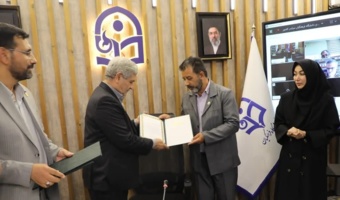
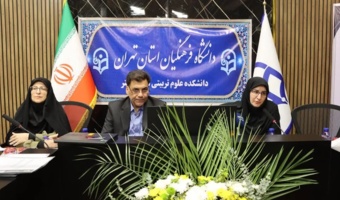
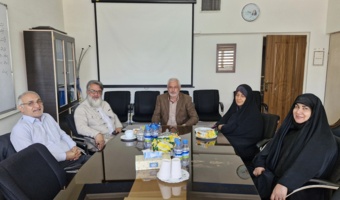
According to the Public Relations Office of West Azerbaijan Farhangian University, on June 29, 2026, Farhad Alipour, Vice President for Education and Graduate Studies of Farhangian University, accompanied by Abdolsaeed Mohammadshafiei, Acting Director of Educational Planning, Assessment and Monitoring, visited West Azerbaijan Farhangian University. During the visit, he met with faculty members, educational experts and heads of academic departments and held discussions on educational issues and priorities.
At the meeting, Alipour offered condolences on Muharram and paid tribute to the memory of the martyrs of the recent war, particularly the Martyr Leader of the Islamic Revolution, as well as the martyred students and teachers of Minab. Referring to the strategic position of Farhangian University in human resource development, he stated that the university plays a fundamental role in developing the country’s human capital and that transformation across all sectors can be achieved through transformation in the education system and teacher education.
Alipour noted that the role of teachers in contemporary education systems has evolved from that of knowledge transmitters to facilitators of learning. Accordingly, he stressed that the curricula of Farhangian University must also be reviewed and redesigned in line with these developments, emphasizing that no country can progress beyond the intellectual capacity of its teachers.
The Vice President for Education and Graduate Studies of Farhangian University’s Central Organization, referring to the impact of emerging technologies, particularly artificial intelligence, on education systems worldwide, announced the launch of the process for developing the university’s comprehensive curriculum architecture.
He stated that the new framework would be developed with the participation of Farhangian universities across the country and emphasized that the Central Organization would support the involvement of provincial universities in designing and reviewing curricula across various academic disciplines.
He also stressed the need to capitalize on the capacities of provincial universities, noting that provinces should play a more active role in the university’s development by presenting innovative proposals and programs. The Central Organization, he added, would support the development of academic disciplines, faculties and educational programs based on these capacities.
Referring to the implementation of the Mehr Opportunity Project, Alipour emphasized the readiness of provincial units for the beginning of the new academic year, stating that the timely identification of educational needs and requirements would contribute to a successful start to the academic year.
He further stressed the need for continuous monitoring of student teachers’ educational, professional and developmental status from the beginning of their studies through graduation. According to Alipour, gaining a comprehensive understanding of student teachers’ characteristics and needs will make it possible to assess the effectiveness of teacher education processes and improve educational quality.
The Vice President for Education and Graduate Studies of Farhangian University’s Central Organization also announced the university’s readiness to expand academic cooperation with neighboring countries, establish new teacher professional development opportunities, develop virtual laboratories, and support innovative teaching festivals and academic events.
During the meeting, Maryam Hosseini-Asl, Acting President of West Azerbaijan Farhangian University, highlighted the province’s border location and cultural diversity and emphasized the university’s role in preparing teachers for border regions and advancing educational diplomacy.
She identified the establishment of an Educational Emerging Technologies Campus as a national pilot project, the delegation of authority to localize part of the skills-based and practicum curricula, the creation of “Border Guard Teacher” employment positions for border regions, and support for expanded academic cooperation with neighboring countries as among the most important demands of West Azerbaijan Farhangian University from the Central Organization.
Ali Mahmoudlou, Vice President for Education and Research of West Azerbaijan Farhangian University, also presented a report on the university’s current status. He stated that the provincial university currently serves more than 4,000 students at associate, bachelor’s and master’s levels, along with 844 Article 28 teacher trainees, 44 full-time faculty members, 12 educational secondees and 323 adjunct faculty members. The university operates through three faculties: Education Sciences, Humanities and Basic Sciences.
He identified the university’s fifth-place national ranking in virtual education, educational quality and the Student Teaching Festival, along with the implementation of the Mehr Opportunity Project, faculty professional development programs, practicum programs, educational workshops and specialized meetings, as among the university’s major educational achievements in recent months.
During the meeting, faculty members of West Azerbaijan Farhangian University presented their views, proposals and concerns regarding educational and research affairs, the recruitment and promotion of faculty members, the development of academic disciplines, educational infrastructure and welfare issues.
The Vice President for Education and Graduate Studies of Farhangian University’s Central Organization also held a separate meeting with educational experts and heads of academic departments to examine specialized issues, challenges and proposals. At the conclusion of his visit, he toured the university’s educational departments and facilities and reviewed the activities and capacities of the provincial unit firsthand.

Your Comment :