
Deputy Minister of Education for Primary Education: University–School Synergy Is Key to Improving the Quality of Primary Education

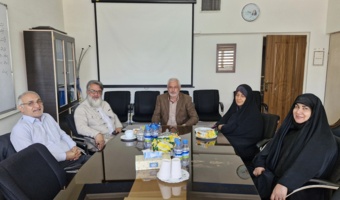
A specialized, interactive meeting to examine issues and challenges in primary education was held at Shahid Bahonar Faculty of Educational Sciences, with the participation of Rezvan Hakimzadeh, Deputy Minister of Education for Primary Education; Ali Mohammadi, Head of Farhangian University in Tehran; and a group of officials and experts in education and teacher training. The meeting emphasized strengthening ties between Farhangian University and the Ministry of Education, as well as improving the quality of teacher preparation.
According to the Public Relations Office of Farhangian University’s Tehran Province branch, Hakimzadeh, during an interactive session with Farhangian University faculty members, stressed the importance of expanding scientific and professional cooperation between universities and schools.
She described Farhangian University as a strategic resource for preparing capable teachers, improving the quality of teaching and learning, and implementing the Fundamental Transformation Document of Education. She emphasized that student-teacher practicum programs should bridge academic knowledge and real-world school experience.
Referring to generational and technological changes, Hakimzadeh added that education must keep pace with the needs of the digital generation. She highlighted the importance of developing digital literacy, artificial intelligence competencies, life skills, and more effective learning environments.
The Deputy Minister identified educational equity and quality as key priorities of her department’s programs. Expressing appreciation for the contributions of Farhangian University faculty members and teachers across the country, she stated: “We all work for the children of this land, and our strength lies in advancing this work with enthusiasm, empathy, synergy, and cooperation.”
Ali Mohammadi, Head of Farhangian University in Tehran, emphasized the irreplaceable role of teachers in the education system and the need to reduce the gap between university training processes and the actual needs of schools.
He explained that the education system rests on three main pillars: “curriculum and content,” “learning spaces and schools,” and “teachers.” While experts have often focused on changing educational content or expanding learning facilities—and valuable progress has been made in these areas—he stressed that the foremost priority, teacher preparation, must not be overlooked.
Key topics discussed at the meeting included the fundamental role of primary education in national development, teachers’ professional competencies, workforce recruitment and preparation, strengthening teachers’ agency, aligning Ministry of Education programs with Farhangian University, and improving the quality of student-teacher admissions.
Participants also discussed strengthening the role of educational and character-development programs within the University, fostering critical thinking and meaning-centered learning, and reviewing and redesigning the educational and developmental system. They emphasized the need to address both academic instruction and character development when preparing future teachers.
The meeting concluded with an emphasis on drawing more effectively on Farhangian University’s academic, research, and professional capacities and expanding cooperation between the University and the Ministry of Education. The aim is to use these resources to address challenges in primary education and improve the preparation of the human resources required by the country’s education system.

Your Comment :