
Deputy Minister for Primary Education Emphasizes the Strategic Role of Farhangian University in Enhancing Primary Education Quality and Advancing Educational Equity
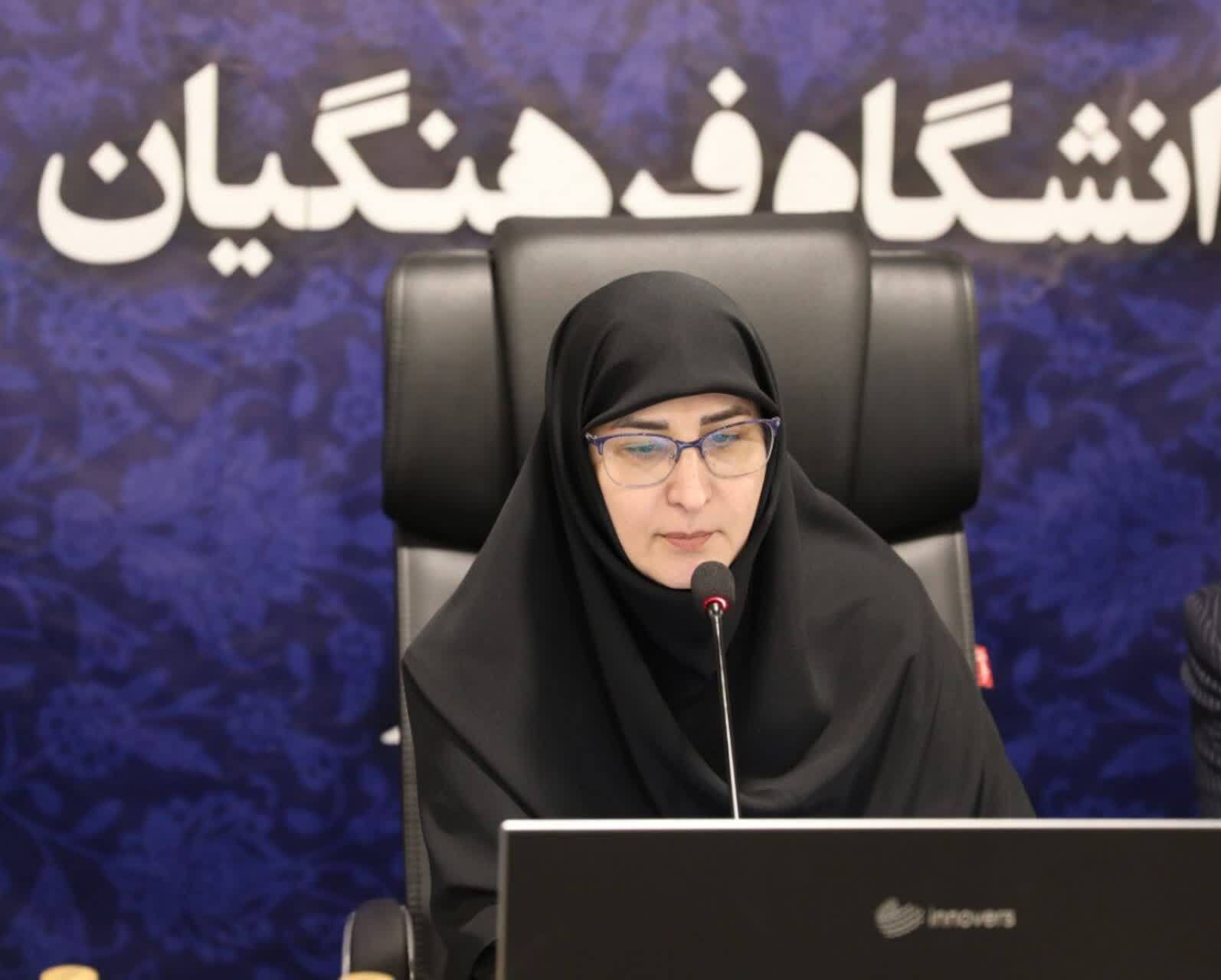
The Deputy Minister for Primary Education at the Ministry of Education has emphasized that Farhangian University is the most important link in the country’s human capital development chain, stating that the quality of classroom education begins with the quality of the teacher education system. She noted that every decision made at Farhangian University today will affect the future of millions of Iranian children and the country’s development trajectory.
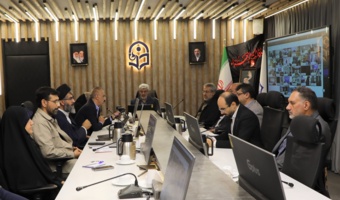
According to the Public Relations Office of Farhangian University, citing the Public Relations Office of the Deputy Ministry for Primary Education, Rezvan Hakimzadeh made the remarks during the second gathering of provincial heads of Farhangian University, attended by the Minister of Education, the President of Farhangian University, and a number of university officials at the Shahid Bahonar Training Camp in Tehran.
While commemorating the memory of the “martyred Imam” and the martyrs of the nation, Hakimzadeh described Farhangian University as the most important platform for investing in the future of the country’s education system. She stated that the most consequential decisions concerning the future of education are being made at Farhangian University today, and that the impact of these decisions will become evident years later in the quality of student learning and the development of the Islamic Republic of Iran.
Referring to findings from reputable international research on teacher education, she emphasized that no in-service professional development program can substitute for high-quality professional preparation before teachers enter the classroom. Neglecting this stage, she noted, not only undermines educational quality but also deprives students, particularly those in underserved areas, of learning opportunities and deepens educational disparities.
Hakimzadeh explained that successful education systems around the world are built on five fundamental principles: precise and targeted recruitment of candidates, an effective curriculum, high-quality practicum, synergy among relevant institutions, and the establishment of a quality assurance system. Achieving these principles requires continuous interaction among Farhangian University, the Ministry of Education, research institutions, and schools so that the teacher education chain can operate in an integrated and effective manner.
The Deputy Minister for Primary Education further emphasized the importance of drawing on global scientific achievements, noting that what needs to be adapted to the national context within the teacher education system is the educational perspective and instructional content. Islamic culture and teachings, particularly the teachings of the Holy Quran, provide valuable resources for defining the characteristics of an exemplary teacher and educating the next generation, she said.
Addressing the characteristics of an effective teacher, Hakimzadeh stated that teachers should, alongside strong academic expertise, demonstrate compassion, responsibility, commitment to justice, professional ethics, the ability to foster students’ sense of self-worth, and the capacity to serve as role models and educators. Education, she emphasized, is not limited to the transmission of knowledge; it also encompasses the development of students’ character and identity.
She described primary education as requiring teachers who can serve as “architects of learning,” explaining that a professional teacher should be able to design active learning experiences, recognize individual differences among students, focus on strengthening foundational literacies, make purposeful use of emerging technologies and artificial intelligence, and consistently adopt a research-oriented approach to addressing classroom challenges.
She also emphasized the need to give particular attention to assessing language skills and foundational literacies during the recruitment of student teachers. The primary mission of primary education, she noted, is to establish the foundations of learning. Therefore, candidates entering the teaching profession should possess not only specialized knowledge but also the communication and educational competencies and motivation required to fulfill this responsibility.
The Deputy Minister for Primary Education described expanding cooperation between the Deputy Ministry for Primary Education and Farhangian University as a strategic necessity. She identified joint programs in practicum, reciprocal use of university professors and experienced teachers, implementation of the “Hami” program for continuous educational support for students, and the development of a national school-to-university feedback system as key areas of cooperation.
Regarding the proposal to establish a national school-to-university feedback system, Hakimzadeh stated that real classroom experiences, along with feedback from school principals, teachers, students, and families, should be systematically provided to Farhangian University. This would enable curricula, practicum models, and teacher education processes to be updated based on the actual needs of schools.
At the conclusion, Hakimzadeh congratulated the newly appointed President of Farhangian University and expressed hope that, by drawing on his academic, executive, and social capital and expanding joint cooperation, significant steps could be taken toward strengthening teacher education, improving the quality of primary education, and developing the skilled human capital needed for the country’s future.



Your Comment :