
Minister of Education Proposes Renaming the University of Cultural Education to "Teacher Training University"
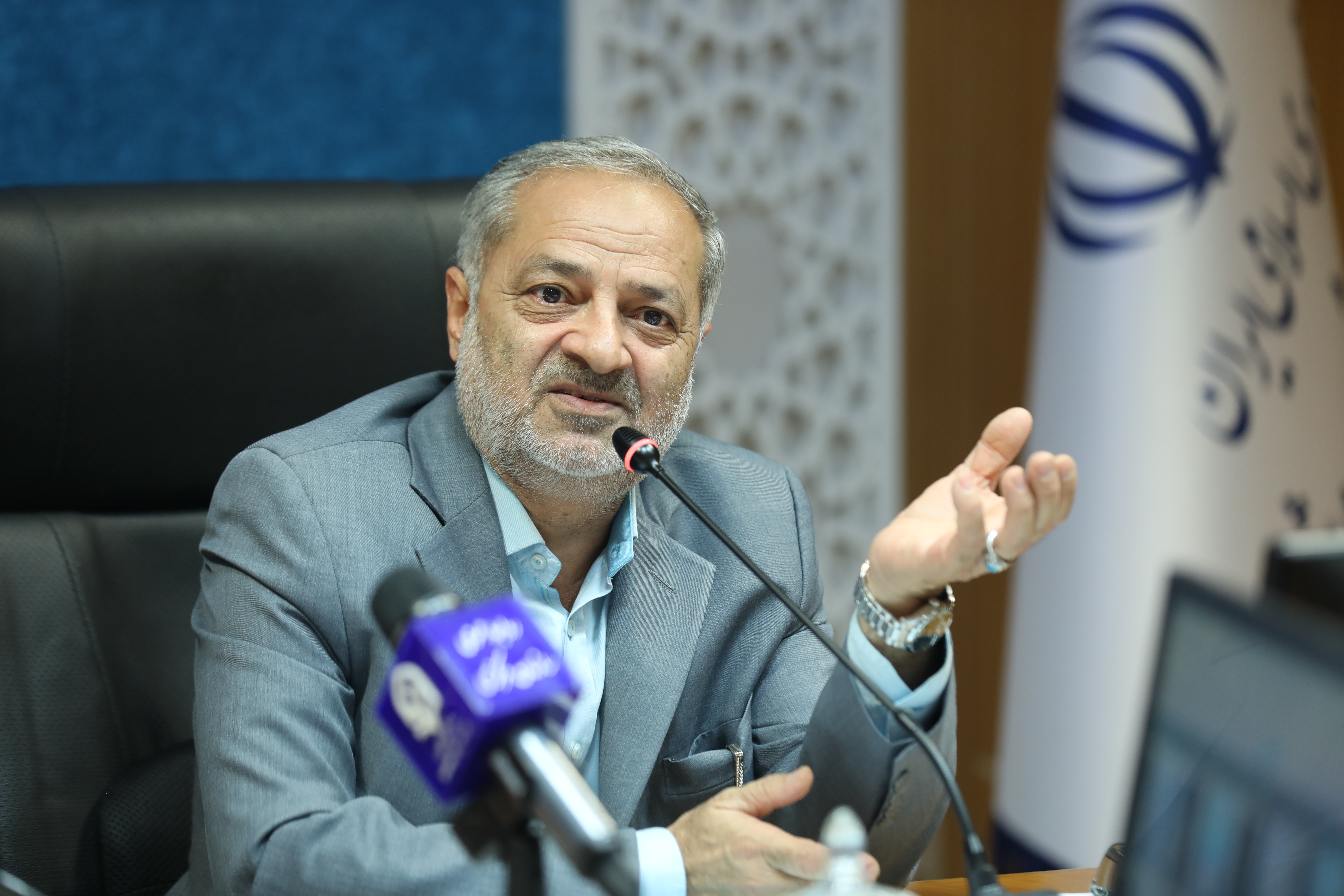
In a significant address today, Wednesday, June 3rd, Minister of Education Alireza Kazemi emphasized the strategic importance of the University of Cultural Education in the national education system. He called for the university to be renamed "Teacher Training University" and highlighted the need for a comprehensive review of its missions and structures, as well as fundamental changes in its curricula with a focus on skill development.
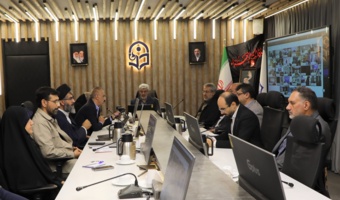
Addressing the heads of the University of Cultural Education from across the country during a hybrid meeting, Kazemi paid tribute to the recent martyrs of the nation and celebrated the occasion of leadership and governance. He stated that today, the University of Cultural Education is one of the most critical components of the national education system and has the potential to play a decisive role in improving and reforming the education sector.
Kazemi acknowledged the efforts of the university's managers, professors, and staff, referring to the institution's achievements in recent years, which include advancements in various fields such as human resource development, scientific enhancement, restructuring, interactions with the education sector, student recruitment, and cultural and educational activities.
Moreover, he stated that the performance of university administrators should be assessed based on their achievements during their tenure. The recent successes of the University of Cultural Education cannot be overlooked or overshadowed by external controversies.
Kazemi also highlighted the current challenging circumstances facing the country, reiterating the need for educational institutions to defend the Islamic Republic of Iran's integrity. He characterized the current situation as a complex war, which, while appearing military in nature, has deep cultural, social, and economic dimensions. In this context, he urged the University of Cultural Education to take a more active role in enhancing awareness, social resilience, and human capital within the country.
He continued to emphasize that among the most critical evaluation criteria for university administrators—particularly at the University of Cultural Education—is their commitment to defending the nation's integrity and assuming cultural and social responsibilities. The minister expects the university to play a more prominent and effective role in this regard.
Highlighting the significance of increased involvement and activism among student teachers, Kazemi remarked that today, a vast educational ecosystem spanning across Islamic Iran has emerged, and the torchbearers of this ecosystem should be students from the University of Cultural Education. He stressed that the university must foster opportunities for their active, informed, and impactful participation in various cultural, social, and national arenas.
Kazemi also requested that universities document and compile their activities and initiatives to present existing capacities, experiences, and achievements in a cohesive manner to support the education system.
In another part of his remarks, he emphasized the necessity of maintaining professional and academic ethics, stating that the law is the ultimate authority in resolving differences and academic issues. Unfair behavior, character attacks on scholars, unethical manipulation, and actions outside the legal framework are unacceptable. He insisted that the dignity of teaching and academia necessitates that all individuals pursue discussions and critiques through lawful channels, and any conduct inconsistent with the respect due to universities and their faculty will not be tolerated. At the same time, he assured that no individual would be unjustly treated, and all matters would be addressed within the legal framework.
Kazemi also underscored his management approach within the ministry, noting efforts to keep the education system free from political interference. He asserted that the ministry's decision-making is based on law, merit, the values of the Islamic Republic, and government policies, ensuring no one can exert undue influence.
He regarded the University of Cultural Education as the primary platform for training educational human resources, stating that the university forms the foundational pathway for reforming the education system and must be prioritized in educational planning and policy-making.
Additionally, Kazemi called for the continuation of high-quality educational activities until the end of the academic year, emphasizing the need for ongoing monitoring of class proceedings and the implementation of educational programs, which should be a priority for university officials.
At the conclusion of the meeting, the Minister of Education presented awards of appreciation to several distinguished professors from the University of Cultural Education, recognizing them as invaluable assets to the national education system. He praised their knowledge, experience, commitment, and significant contributions in shaping the future generation of teachers, underscoring their lasting impact on improving the quality of education in the country.


Your Comment :